11 26263

Public transportation in Tokyo 101

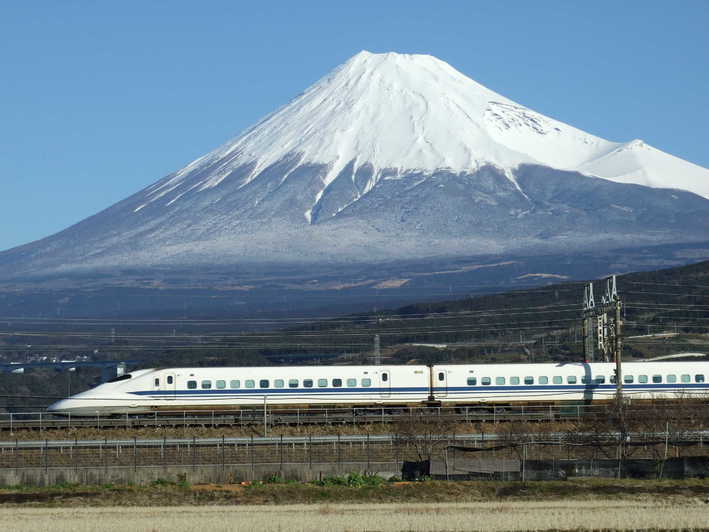
shinkansen fuji

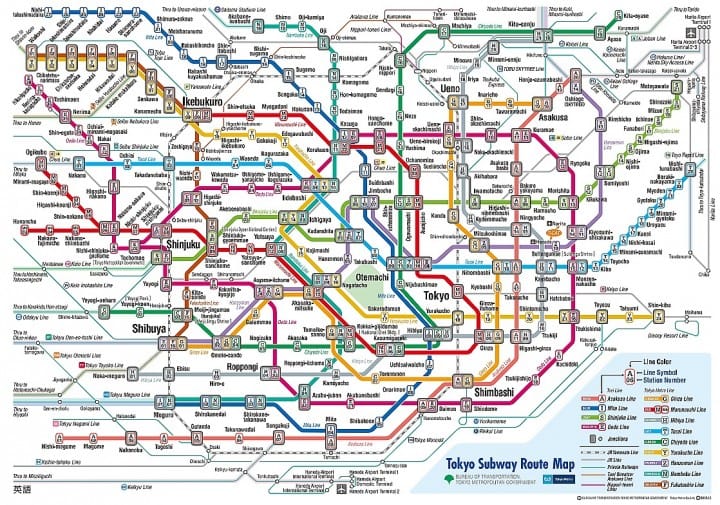
Tokyo public transport is including dozens, if not hundreds, of the metro, train, and bus lines, all operating by different companies. Despite its size, the transportation system in Tokyo is very much accurate and convenient, but for the newcomers might be a little bit overwhelming. And we get it! So, we are here to put some things in order and explain public transportation in Tokyo.

IC Cards

First thing first, when you arrive in Tokyo, to live or just as a tourist, it is better to get an IC card. These are prepaid cards that you can charge in advance. It will save you plenty of time, as you won’t need to check how much to pay for each ride (the price is different and depends on a distance), and you won’t need to wait in a line to buy a paper ticket every time.

You can purchase the SUICA card at JR stations and Pasmo cards at non-JR stations. When purchasing your IC card, you will need to pay a deposit of 500 yen, which you can get back when returning the card before leaving the country. You can return the card at JR station or the airport.

Samples of Suica and PAsmo
Suica, Pasmo

Recently, JR launched a new type of IC card, that is valid only for 28 days but you do need to pay a deposit. This was made for the convenience of the tourists before the Olympic games. This card you can get at the airport or JR ticket offices and the travel centers. For more details please check the official website.

sample of the tourist ic card - welcome suica
Suica for the tourists

Google Maps

Once you have your IC card, you can start exploring the city. To find your way, it is highly recommended to use Google maps. It might not work equally well in all the parts of Japan, but in Tokyo, it works perfectly and it is a Must-have. Just put your destination in the search box and the app will do the rest for you. You can make things even more convenient by using the “Options” button, where you can choose the “lowest cost route” or “route with fewer transfers”, etc.

Daily Passes

And last but not least, at the stations, you will see many ads advertising daily passes. Daily passes for Tokyo usually do not pay off. If your day/trip planned wisely, most of the time you won’t need to use a train more than twice a day. And even if you will use a train often, the trains might belong to different companies, so one ticket will not cover them all anyway.

It is recommended to check daily passes if you go on day trips to Kamakura, Hakone, etc.

Summary

Probably 10-20 years ago to find your way in Tokyo, you need to be a genius or know Japanese, but today everything is on the internet and just a basic preparation before your visit to Tokyo will make your trip easy and pleasant.

We wish you a great time in Tokyo and we hope you will appreciate the public transportation in Tokyo for its efficiency and convenience!


Renting apartments in Japan

Renting apartments in Japan

Renting apartments in Japan is quite different compared to the other countries.

Unlike the United States or the UK, or other places, Japan’s tenant and landlord laws look very favorably upon the tenant, rather than the landlord, making evictions exceedingly difficult. As a result, many rental offices in Japan will not rent to an individual without an additional guarantor of funds.

An interesting part of the Japanese culture is the idea that one must pay some amount of money as gratitude towards a landlord for having agreed to rent a room, apartment, or home. Usually, this amounts to one or two months’ rent. Upon this, many real estate agencies will charge a fee for introducing you to the apartment. This can also add a significant amount of money to the total of all the move-in costs.

You should also be aware of the fact that the majority of the apartments for rent are not furnished. This means that right away you will have to buy all of your furniture and appliances. Disposing of your belongings at the end of your stay is costly and time-consuming. Another way is the second-hand market, which is time-consuming, including advertising items descriptions, size, and photos, answering questions related to the items, and scheduling pickup times for a variety of people.

At Tokyo-Furnished, we do not charge key money or agent fees, nor do we require a guarantor. All of our apartments come fully furnished. We offer this because we work closely with the international community and focus on meeting the unique needs of those seeking shorter-term rentals, rather than the standard two-year contracts common in Japan. If you are planning a less than 1 year in Tokyo, our service is cheaper and most convenient for you.

Contact us.

About Roppongi and central Tokyo

Roppongi is a vibrant neighborhood located in Minato district, especially well-known for an active nightlife environment and trendy dining spots. Its central location puts it within easy reach of the Tokyo Tower, Roppongi Hills and Tokyo Midtown, as well as sitting midway between Tokyo Station and Shibuya.

All the apartments with Tokyo Furnished are located around Roppongi and its immediate neighbors, Nogizaka, Azabu-juban and Akasaka. Both Nogizaka and Akasaka are served by the Chiyoda subway line, while Roppongi can be accessed by the Hibiya or the Oedo lines.

Tokyo Tower can be seen from the Roppongi junction and is about a 15 minute walk.

The Azabu and Azabu-juban area sponsors many festivals during the summer.