Tokyo is one of the most liveable cities in the world. But choosing where to base yourself is one of the most important decisions you will make before you arrive. The right neighbourhood shapes everything — your commute, your social life, your daily routine, and how quickly you feel at home.
We have been housing expats across central Tokyo for over fifteen years. In that time, we have seen which neighbourhoods consistently attract international residents, and why. This guide covers the best areas to consider in 2026.
Akasaka
Akasaka sits at the heart of central Tokyo. It is one of the most popular choices for expats, particularly those working in finance, government, or international business. The area is home to dozens of multinational company headquarters and several embassies. Even the Prime Minister’s official residence is located here.
Despite its professional character, Akasaka has real warmth. Local izakayas and ramen shops fill the backstreets. Akasaka Sacas — a large mixed-use complex — provides supermarkets, restaurants, and a concert hall. Three subway stations across five metro lines serve the neighbourhood, making it one of the best-connected areas in the city.
For expats who want to be close to the action without sacrificing a sense of neighbourhood, Akasaka is hard to beat.

Roppongi
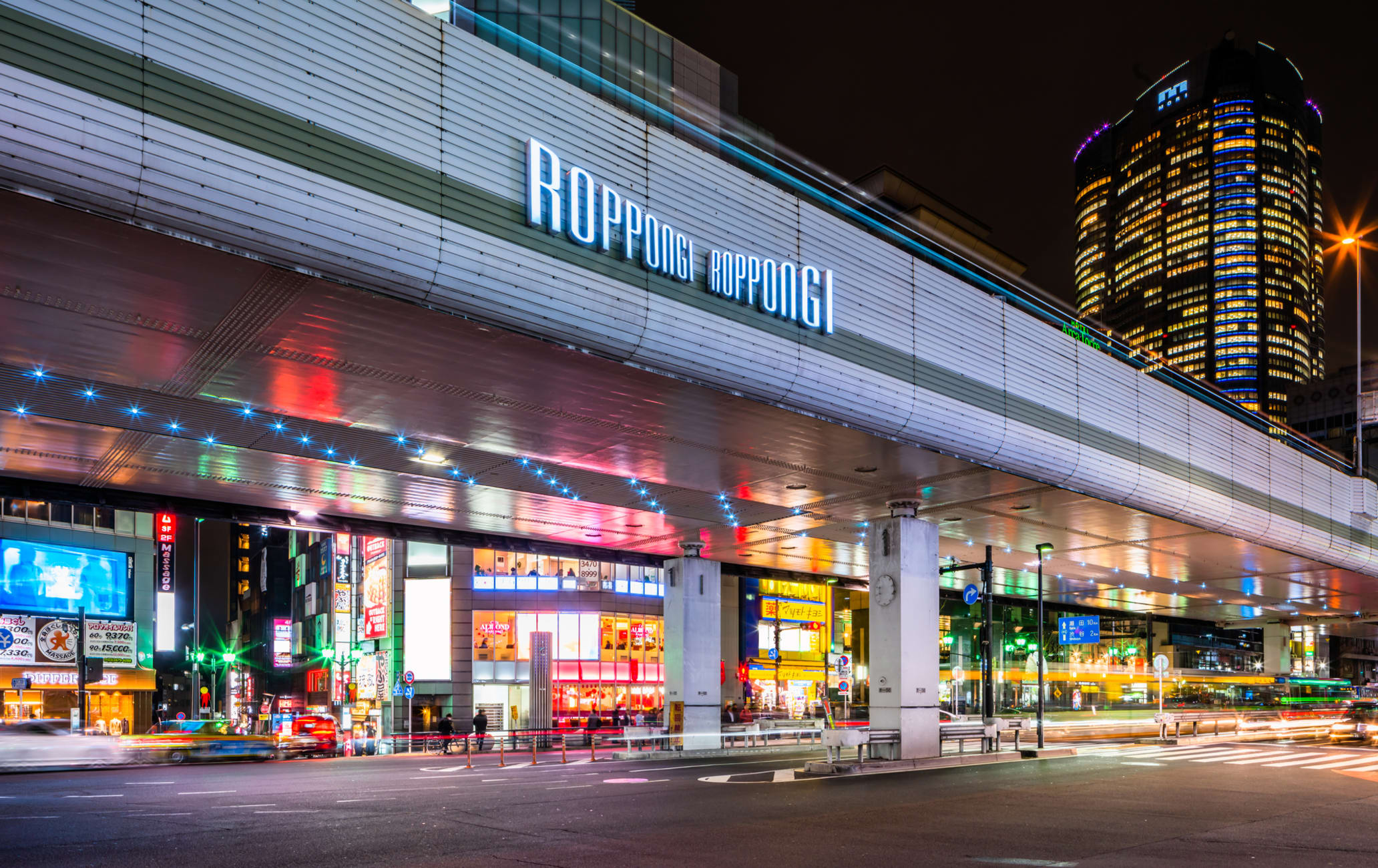
Roppongi has a reputation for nightlife. But long-term residents know it as one of Tokyo’s most genuinely international neighbourhoods. English is widely spoken. International supermarkets are easy to find. A large expat community means there is always a social network to tap into.
Culturally, Roppongi punches above its weight. The Mori Art Museum, the National Art Center, and the Suntory Museum of Art form the famous Roppongi Art Triangle. Roppongi Hills and Tokyo Midtown add luxury shopping, dining, and green space.
The Hibiya and Oedo metro lines connect Roppongi to Shinjuku, Shibuya, and Ginza in under fifteen minutes. That makes it a practical base for almost any commute.
Minami Azabu and Motoazabu
These twin neighbourhoods sit just south of Roppongi. They attract a quieter, more established expat crowd — diplomats, senior executives, and families who want calm residential streets without sacrificing central access.
Minami Azabu has long been a diplomatic enclave. Several foreign embassies and international schools operate in the area. The National Azabu supermarket carries a wide range of imported goods and is a landmark for the local expat community.
The streets here are tree-lined and low-rise. This is a contrast to the tower-heavy feel of Akasaka or Roppongi. If you want a neighbourhood that feels genuinely residential while staying five minutes from the city centre, Minami Azabu and Motoazabu deserve serious consideration.
Shibuya
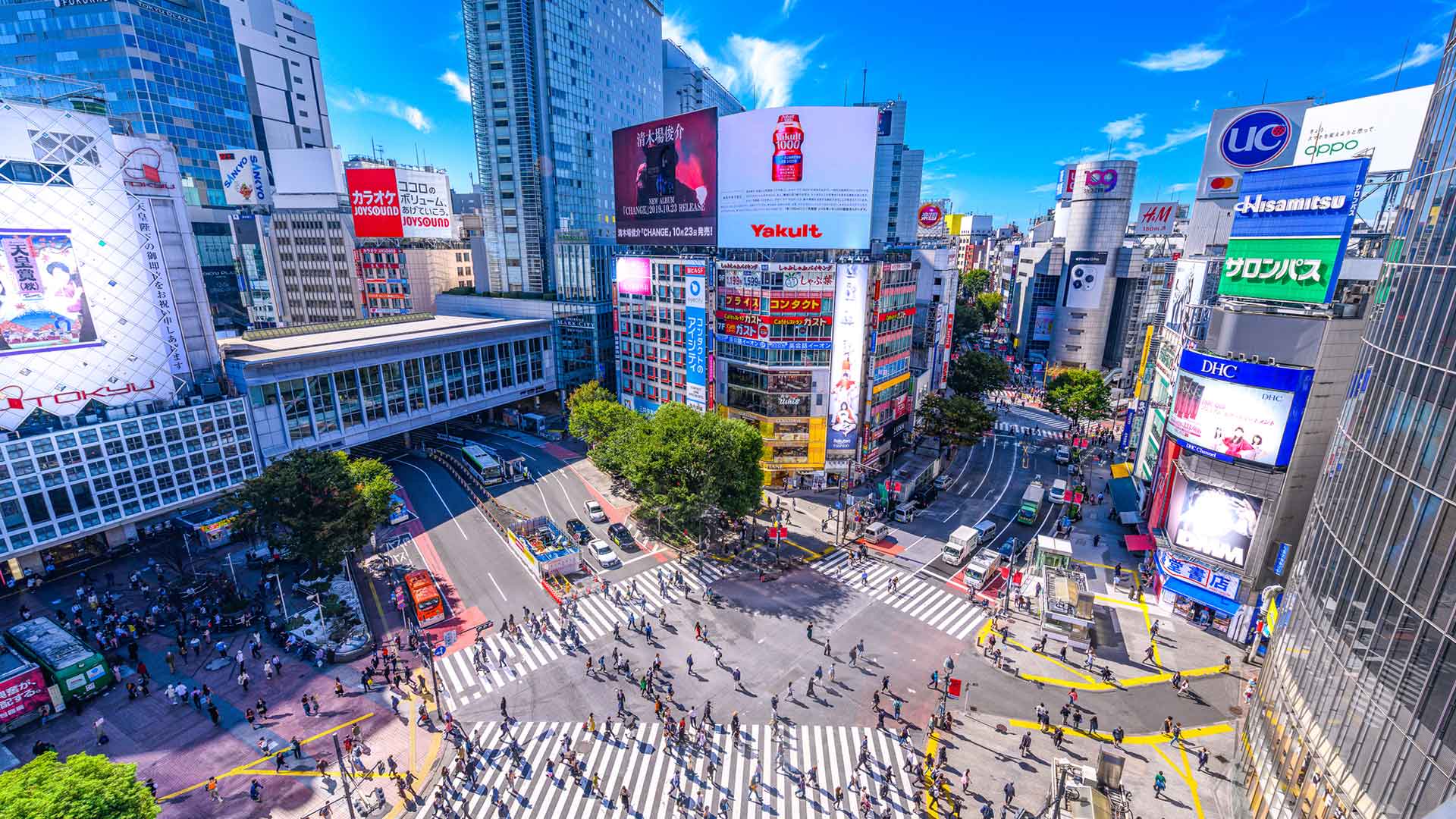
Shibuya is for expats who want to be at the centre of everything. The famous scramble crossing, the shopping, the food scene, the nightlife — it is all here. Shibuya Station is also one of Tokyo’s great transport hubs. It connects the Yamanote Line, multiple subway lines, and the Tokyu and Keio private railways.
The area has transformed significantly in recent years. Shibuya Stream, Scramble Square, and Hikarie have added high-end offices, restaurants, and event spaces. The neighbourhood now attracts a growing tech and creative industry crowd alongside its traditional retail energy.
Shibuya works best for expats who thrive on urban energy and want the fastest possible access to every corner of the city.
Meguro
Meguro offers something rarer in central Tokyo: genuine neighbourhood character. The Meguro River is the spine of the area. Cherry trees and independent cafes line both banks. On either side, you find pockets of creativity — boutique restaurants, independent galleries, and the kind of slow, walkable daily life that makes Tokyo residents fiercely loyal to their area.
Nakameguro and Daikanyama sit within easy walking distance. Both are among the most desirable sub-areas in the city. Nakameguro in particular has become a destination for design-conscious expats, with a high concentration of concept stores, coffee roasters, and low-key restaurants along the river.
The Meguro Line, Namboku Line, and Yamanote Line all serve the area. The commute into central business districts is straightforward.
Ginza
Ginza is Tokyo’s most polished address. The neighbourhood is synonymous with high-end retail, Michelin-starred restaurants, and understated luxury. But it is also a genuinely practical place to live. Ginza Station connects to the Ginza, Hibiya, and Marunouchi metro lines. From here, virtually every part of the city is within fifteen to twenty minutes.
For expats working in the financial district around Marunouchi or Nihonbashi, Ginza offers an unbeatable combination of prestige and convenience. The neighbourhood is quieter than Shibuya or Roppongi in the evenings. That suits expats who prefer a calmer atmosphere without straying far from the city centre.

Ikebukuro
Ikebukuro is often underestimated. But it consistently ranks among the most liveable neighbourhoods in Tokyo. It has everything a large city district should — a major train hub, extensive shopping, a diverse restaurant scene, and easy access to both central Tokyo and Saitama. Sunshine City, Tokyu Hands, and Bic Camera are all here.
For expats on a budget, or those whose offices are in the northern part of the city, Ikebukuro is a smart choice. The Yamanote, Marunouchi, Fukutoshin, and Yurakucho lines all pass through. Frequent business travellers also benefit from fast shinkansen connections via nearby Omiya.
The neighbourhood has a large and visible Chinese community. This makes it a natural fit for expats from East Asia, or those who appreciate a wide range of East Asian cuisine and shopping options.
Shirokane
Shirokane is one of Tokyo’s quieter luxury addresses. Expats who have been in the city for a while tend to gravitate here — wide streets, low-rise buildings, excellent restaurants, and a neighbourhood where you start to recognise faces. The area sits between Meguro and Minami Azabu and shares their embassy-district calm.
Shirokane-Takanawa Station and Shirokanedai Station connect the area to the Namboku and Mita lines. Access to Azabu, Meguro, and Shinjuku is clean and direct. For expats with families, the proximity to several international schools is an additional draw.
How to Choose the Right Neighbourhood
With so many excellent options, narrow down by a few key factors.
Commute first. Tokyo’s train network is exceptional, but your daily journey still matters. Map your office to each neighbourhood before anything else.
Lifestyle fit. Do you want buzzing streets and a constant social scene? Roppongi and Shibuya deliver that. Do you prefer quiet mornings and neighbourhood restaurants? Look at Minami Azabu and Shirokane.
Budget. All-inclusive furnished apartments in central Tokyo typically range from ¥150,000 to ¥350,000 per month, depending on size and neighbourhood. Ikebukuro tends to offer more space for the same budget compared to Ginza or Minami Azabu.
Length of stay. For one to three months, a well-connected, high-amenity neighbourhood like Akasaka or Roppongi makes sense. For longer stays, the slower-paced feel of Meguro or Shirokane often wins out.
Ready to Find Your Apartment?
Tokyo Furnished has been housing expats across central Tokyo for over fifteen years. All our apartments are fully furnished and available on flexible terms — from one month upward, with no key money and no guarantor required.
Frequently Asked Questions
Which Tokyo neighbourhood is best for expat families?
Minami Azabu, Shirokane, and Meguro are consistently popular with expat families. These areas combine low-rise residential streets with proximity to international schools and good transport links into central Tokyo. Minami Azabu has a long history as a diplomatic and family expat enclave.
What is the most affordable central Tokyo neighbourhood for expats?
Ikebukuro typically offers the best value among the central neighbourhoods covered here. You get major transport connections, extensive amenities, and a vibrant local scene — at a lower per-square-metre cost than Ginza, Roppongi, or Minami Azabu.
Do I need a Japanese guarantor to rent an apartment in Tokyo as a foreigner?
With a traditional Japanese landlord, a guarantor is usually required. This is a significant hurdle for new arrivals. Furnished apartment providers like Tokyo Furnished do not require a Japanese guarantor. That is one of the main reasons expats choose furnished accommodation when they first arrive.
How long can I rent a furnished apartment in Tokyo?
Most furnished apartment providers in Tokyo offer stays from one month upward. Tokyo Furnished accommodates short-term stays of one to three months and longer-term arrangements for expats on multi-year assignments.
Which Tokyo neighbourhood has the best transport connections?
Shibuya and Ikebukuro are the two best-connected residential neighbourhoods in terms of sheer number of lines. Akasaka is served by five metro lines across three stations. Roppongi connects quickly to Shinjuku and Shibuya via the Oedo and Hibiya lines.